BACK
BACK
A confident smile can change how you carry yourself, and that’s exactly why cosmetic dentistry has become one of the most sought-after aesthetic treatments today. From veneers to a full smile makeover, more people are choosing to invest in their smiles than ever before. But like any aesthetic or medical procedure, it’s worth understanding the possible cosmetic dentistry side effects before you book that first appointment. Being informed doesn’t mean being discouraged, it means walking into treatment with realistic expectations and choosing the right team to guide you through it.
At Opal Dental, we believe every patient deserves complete transparency about what a procedure involves, including the temporary discomforts that can come with it. This guide walks you through the most common cosmetic dentistry side effects, why they happen, and how a skilled, experienced clinic can help minimize them.
Understanding Cosmetic Dentistry and Why Side Effects Occur
Cosmetic dentistry covers a wide range of treatments, veneers, teeth whitening, teeth bonding, smile makeover procedures, and more, all designed to enhance the appearance of your teeth and gums. While these treatments are generally safe when performed by trained professionals, some cosmetic dentistry side effects are a natural part of the process, especially in the days immediately following treatment.
Most side effects are mild, temporary, and a normal response to the changes being made to your teeth or gums. Understanding them in advance helps you recognise what’s expected versus what may need a follow-up with your dentist.
Common Cosmetic Dentistry Side Effects
1. Tooth Sensitivity
One of the most frequently reported cosmetic dentistry side effects is temporary sensitivity to hot, cold, or sweet foods. This is especially common after teeth whitening or veneer preparation, since a thin layer of enamel may be adjusted during the process. Sensitivity typically fades within a few days to a couple of weeks.
2. Gum Irritation or Tenderness
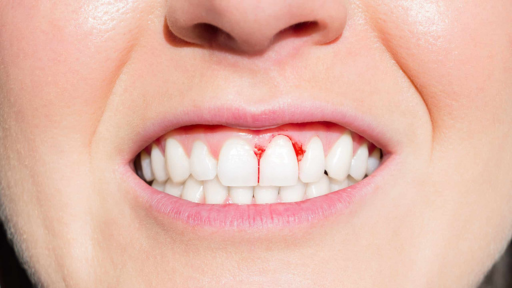
Procedures like veneers or bonding involve close work near the gum line, which can lead to mild irritation, redness, or tenderness. This usually settles on its own, though maintaining good oral hygiene during recovery speeds things along.
3. Temporary Discomfort or Soreness
Some patients experience jaw soreness after longer appointments, particularly during a full smile makeover involving multiple procedures in one sitting. This discomfort is generally manageable and short-lived.
4. Changes in Bite Alignment
Occasionally, new veneers or crowns can feel slightly “off” in terms of bite until your mouth adjusts, or until minor adjustments are made by your dentist. This is a normal part of the fitting process and is usually corrected in a follow-up visit.
5. Allergic Reactions (Rare)
Though uncommon, some patients may react to specific dental materials or bonding agents. This is one of the rarer cosmetic dentistry side effects, and a thorough consultation beforehand helps identify any risk factors early.
6. Enamel Thinning with Repeated Whitening
Overuse of whitening treatments, especially outside a clinical setting, can gradually wear down enamel. This underscores why professionally supervised treatments matter more than at-home shortcuts.
7. Discoloration or Uneven Results
If not done by an experienced hand, dental veneers or bonding can sometimes result in uneven shading or a look that doesn’t blend naturally with the rest of your smile. This is why skill, precision, and an eye for aesthetics matter just as much as the materials used.
Why Choosing the Right Clinic Reduces Cosmetic Dentistry Side Effects
Most cosmetic dentistry side effects are minor and preventable when treatment is planned carefully and executed by experienced professionals. The difference between a smile makeover that looks effortless and natural, versus one that feels artificial or causes ongoing discomfort, often comes down to the expertise behind the chair.
At Opal Dental Care Studio, every treatment begins with a detailed consultation to understand your dental history, aesthetic goals, and any potential risk factors. This personalised approach is central to how we minimise cosmetic dentistry side effects while delivering results that look natural and last. Whether you’re exploring veneers for the first time or planning a complete smile makeover, our team combines clinical precision with an artisanal sense of design, so your results feel authentically yours.
Tips to Minimise Cosmetic Dentistry Side Effects
- Choose an experienced cosmetic dentist. Skilled hands significantly reduce the likelihood of complications.
- Share your full medical and dental history. This helps your dentist anticipate and avoid potential allergic reactions or sensitivities.
- Follow post-treatment care instructions closely. Whether it’s avoiding certain foods or using a recommended toothpaste, aftercare plays a big role in recovery.
- Don’t skip follow-up appointments. Adjustments in the days after treatment can resolve bite or comfort issues quickly.
- Avoid DIY whitening kits if you’re prone to sensitivity, professional supervision matters here.
When to Contact Your Dentist
While most cosmetic dentistry side effects resolve within a few days, persistent pain, swelling, or sensitivity that doesn’t improve should never be ignored. If you experience anything beyond mild, expected discomfort, reach out to your dental team promptly rather than waiting it out.
If you’re considering veneers, a smile makeover, or any other cosmetic dentistry treatment and want a team that prioritises both artistry and patient safety, contact us at Opal Dental. Our approach is built on transparency, precision, and a calm, personalised experience from your very first consultation.
Final Thoughts
A beautiful smile is absolutely achievable without unnecessary risk. Understanding cosmetic dentistry side effects in advance simply empowers you to make informed decisions and choose a provider who takes your comfort as seriously as your aesthetics. At Opal Dental, we combine clinical expertise with genuine care, ensuring your smile makeover journey is as smooth as the results themselves. If you have questions about veneers, cosmetic dentistry, or what to expect from treatment, contact us, we’re happy to guide you through every step.
Frequently Asked Questions
What are the most common cosmetic dentistry side effects?
The most common ones include temporary tooth sensitivity, mild gum irritation, and short-term jaw soreness after treatment.
Do veneers have any side effects?
Veneers can cause mild sensitivity or a brief adjustment period for bite alignment, but serious complications are rare with skilled application.
How long do cosmetic dentistry side effects usually last?
Most side effects, like sensitivity or gum tenderness, resolve within a few days to two weeks.
Is teeth whitening safe for enamel?
Professionally supervised whitening is generally safe; it’s repeated or unsupervised at-home whitening that carries higher risk of enamel thinning.
Can a smile makeover cause long-term damage?
When performed by an experienced cosmetic dentist, a smile makeover is designed to be safe and long-lasting, with minimal risk of lasting damage.
Are allergic reactions to dental materials common?
No, allergic reactions are rare, but a thorough consultation helps identify any sensitivities beforehand.
Why do teeth feel sensitive after cosmetic dentistry?
Sensitivity often occurs because enamel is gently reshaped or bleaching agents are used, temporarily exposing the tooth’s inner layers.
How can I reduce the risk of cosmetic dentistry side effects?
Choosing an experienced dentist, following aftercare instructions, and attending follow-up visits significantly reduce risks.
Is bonding safer than veneers?
Both are considered safe procedures; the right choice depends on your dental structure, goals, and your dentist’s recommendation.
When should I contact my dentist after treatment?
If discomfort, swelling, or sensitivity persists beyond a couple of weeks or worsens, you should contact your dentist promptly.