BACK

Tooth pain can be frustrating, especially when it interrupts your daily routine. Imagine enjoying your favorite pizza, sipping iced coffee, or preparing for an important presentation when a sudden toothache ruins your mood. While occasional sensitivity may not seem serious, persistent tooth pain could indicate an underlying dental problem that needs attention.
Many young adults ignore toothaches, assuming the discomfort will disappear naturally. However, recurring pain is often your body’s way of signalling that something is wrong. Understanding the possible causes can help you protect your teeth, avoid complications, and maintain a healthy smile.
Why Does Tooth Pain Keep Coming Back?
Toothaches do not always have an obvious cause. Sometimes, the discomfort begins as mild sensitivity and gradually becomes more noticeable. You might experience sharp pain while chewing, discomfort when drinking something cold, or a dull ache that continues throughout the day. These symptoms can develop for several reasons, including tooth decay, damaged enamel, gum infections, or problems affecting the nerves inside your teeth.
The important thing to understand is that persistent tooth pain rarely happens without a reason. Even when the discomfort temporarily disappears, the underlying dental condition may still exist. Identifying the actual cause through a dental examination is essential for choosing the right treatment and preventing further damage.
1. Tooth Decay: A Common Cause of Ongoing Pain
Tooth decay is one of the most common reasons people experience recurring toothaches. It develops when bacteria in the mouth produce acids that gradually damage tooth enamel. Frequent snacking, sugary drinks, poor brushing habits, and inconsistent flossing can increase the risk of cavities, particularly among teenagers and young adults.
During the early stages, cavities may not cause noticeable discomfort. However, as decay progresses into deeper layers of the tooth, sensitivity and pain can develop. If persistent tooth pain becomes more noticeable while eating sweets or drinking hot and cold beverages, tooth decay could be responsible. Early dental treatment may prevent a small cavity from developing into a more complicated problem.
2. Teeth Grinding and Jaw Clenching
Stress has become a common part of modern life, especially for students and working professionals. What many people do not realise is that stress can also affect their teeth. Some individuals unconsciously grind their teeth or clench their jaws while sleeping, studying, working, or concentrating on demanding tasks.
This condition, known as bruxism, places excessive pressure on the teeth and surrounding jaw muscles. Over time, it can contribute to enamel wear, tooth sensitivity, headaches, and jaw discomfort. If you regularly wake up with a sore jaw or experience persistent tooth pain without visible cavities, teeth grinding could be a contributing factor. A dentist may recommend a customized night guard or other measures depending on the severity of the condition.
3. Gum Disease Can Cause More Than Bleeding Gums
Bleeding gums are often ignored, especially when they occur occasionally during brushing. However, swollen, tender, or bleeding gums may indicate gingivitis, an early stage of gum disease. Without appropriate care, inflammation can progress and affect the tissues supporting your teeth.
Poor oral hygiene, plaque accumulation, and smoking can increase the risk of gum problems. As the condition advances, some people experience gum tenderness, loose teeth, or discomfort while chewing. Although early gum disease may be painless, advanced inflammation or infection can contribute to persistent tooth pain. Regular dental cleaning, proper brushing, and flossing are important for maintaining healthy gums and reducing the risk of complications.
4. An Infected Tooth Nerve May Be Responsible
Sometimes, the source of a toothache lies deep inside the tooth. Each tooth contains soft tissue called pulp, which includes nerves and blood vessels. When bacteria enter this area through deep cavities, cracks, or dental injuries, the pulp can become inflamed or infected.
Symptoms may include intense throbbing, prolonged sensitivity to temperature, pain while biting, or discomfort that becomes worse at night. In certain cases, persistent tooth pain may indicate that the inner tooth tissue requires professional treatment. A root canal treatment may help preserve an affected tooth by removing infected or inflamed pulp, cleaning the canals, and sealing the tooth. The appropriate procedure depends on the dentist’s examination and diagnosis.
5. Cracked Teeth and Hidden Dental Injuries
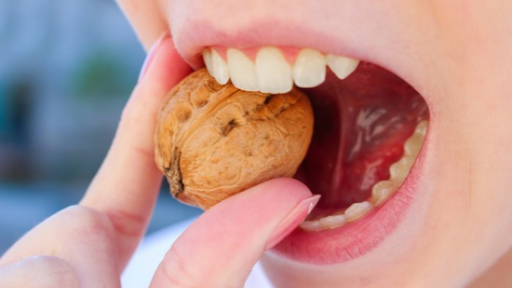
Not every dental problem is visible in the mirror. Small cracks can develop due to accidental injuries, biting hard foods, grinding teeth, or placing excessive pressure on weakened teeth. These cracks may be difficult to identify without a professional examination.
A cracked tooth can cause sudden pain while chewing, particularly when releasing biting pressure. Temperature sensitivity may also occur when the crack exposes sensitive internal structures. For young adults who regularly participate in sports or consume hard snacks, dental injuries deserve attention. When persistent tooth pain develops after an injury or continues during chewing, visiting a dentist can help determine whether a crack or another structural problem is responsible.
6. Wisdom Teeth and Pain at the Back of Your Mouth
Wisdom teeth usually begin emerging during the late teenage years or early adulthood. While some people experience no problems, others develop discomfort when these teeth do not have enough space to emerge properly.
Partially erupted or impacted wisdom teeth can trap food particles and bacteria, causing inflammation around the surrounding gums. Symptoms may include swelling, difficulty opening the mouth, unpleasant breath, or pain near the back molars. In some cases, persistent tooth pain around the wisdom tooth area may indicate inflammation, infection, or pressure on nearby structures. A dental examination and X-ray can help determine whether monitoring, cleaning, or removal is appropriate.
7. Can Missing Teeth Affect Your Overall Dental Health?
Losing a tooth at a young age can happen because of an accident, severe decay, or advanced dental problems. Although a missing tooth may not always cause immediate discomfort, it can affect chewing efficiency and allow neighbouring teeth to shift over time.
Depending on the situation, dental implants may be considered to replace missing teeth and restore function. Individuals with several damaged or missing teeth may require a more comprehensive approach, such as full mouth rehabilitation, to improve their bite and oral health. These treatments are not necessary for every toothache, but they may become relevant when extensive dental damage affects everyday activities.
When Should You Stop Ignoring Tooth Pain?
Occasional sensitivity can have several explanations, but recurring discomfort should not become part of your normal routine. If tooth pain lasts longer than a day or two, repeatedly interrupts sleep, worsens while chewing, or affects your ability to eat comfortably, scheduling a dental examination is advisable.
You should also seek prompt dental attention if persistent tooth pain occurs alongside gum swelling, fever, a bad taste, or facial tenderness. Severe swelling, particularly with difficulty breathing or swallowing, requires emergency medical care. Early diagnosis can help identify the cause and reduce the likelihood of more extensive treatment.
Simple Habits That Help Prevent Toothaches
Maintaining healthy teeth does not require an overly complicated routine. Brushing twice daily with fluoride toothpaste, cleaning between your teeth, limiting frequent sugary snacks, and attending regular dental check-ups can make a meaningful difference. Drinking water after meals and avoiding habits such as chewing ice may also help protect your teeth.
If you are interested in cosmetic procedures such as smile designing, remember that healthy teeth and gums should come first. Addressing cavities, inflammation, or sensitivity before considering aesthetic improvements supports better long-term oral health. Most importantly, never rely on painkillers alone to manage persistent tooth pain, because temporary relief does not necessarily resolve the underlying cause.
Final Thoughts: Listen to What Your Teeth Are Telling You
A toothache might seem like a minor inconvenience, but repeated discomfort deserves attention. Whether the cause is a cavity, gum infection, cracked tooth, or an affected nerve, identifying the problem early can help protect your natural teeth and prevent avoidable complications.
At Opal Dental Care Studio, the focus is on understanding individual dental concerns and helping patients make informed decisions about their oral health. If you are experiencing persistent tooth pain, Opal Dental Care Studio encourages you to seek a professional dental assessment rather than waiting for the symptoms to worsen.
Take the first step towards a healthier, more comfortable smile. Contact us to schedule a dental consultation and understand the treatment options suitable for your needs.