BACK
We all love enjoying our favourite snacks, whether it’s a packet of chips while watching Netflix, a chilled soft drink after college, or something sweet after dinner. But have you ever wondered how these everyday food choices affect your teeth?
Many foods we consume regularly contain sugar, acids, or sticky ingredients that can gradually damage tooth enamel, increase sensitivity, and cause cavities. Even some foods considered healthy can affect your oral health when consumed frequently. Understanding teeth damaging foods can help you make smarter eating choices without giving up everything you love.
At Opal Dental Care Studio, we believe that maintaining a healthy smile starts with simple daily habits. Let’s explore 15 common foods that may be harming your teeth and what you can do to protect them.
How Do Certain Foods Damage Your Teeth?
Before discussing the most common teeth damaging foods, it’s important to understand how food affects oral health.
Your mouth naturally contains bacteria. When you consume sugary or starchy foods, these bacteria produce acids that attack tooth enamel, the protective outer layer of your teeth.
Frequent acid exposure can weaken enamel and eventually lead to tooth decay.
Some foods can also contribute to:
- Tooth sensitivity and enamel erosion
- Cavities and tooth decay
- Plaque buildup and gum disease
- Tooth staining and bad breath
- Cracked or chipped teeth
The good news? Small changes in your eating habits can make a significant difference.
15 Everyday Foods That Can Damage Your Teeth
1. Sugary Soft Drinks
Soft drinks are among the most common teeth damaging foods and beverages, especially among teenagers and young adults.
They contain high amounts of sugar and acids that can weaken enamel over time. Even sugar-free soft drinks can be acidic enough to contribute to enamel erosion.
Better choice: Drink water or unsweetened beverages, and avoid sipping soft drinks throughout the day.
2. Sticky Candies and Toffees
Love caramel, gummies, or chewy candies? Unfortunately, these sweets tend to stick to your teeth longer than other foods.
This gives bacteria more time to produce harmful acids, increasing the risk of cavities.
Better choice: Limit sticky sweets and rinse your mouth with water after eating them.
3. Potato Chips
Chips are everyone’s favourite snack, whether during movies, gaming sessions, or late-night cravings.
However, chips contain starch that breaks down into sugars. Small pieces can also become trapped between teeth, allowing plaque to accumulate.
Better choice: Enjoy chips occasionally and floss regularly to remove trapped food particles.
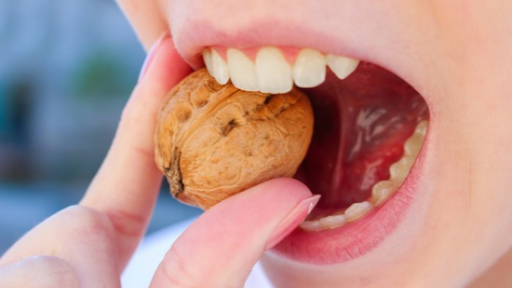
4. Ice Cubes
Chewing ice might seem harmless because it’s just frozen water.
However, regularly biting hard ice can chip teeth, damage fillings, or create small cracks in enamel.
These cracks may eventually require dental treatment.
Better choice: Let ice melt in your mouth instead of chewing it.
5. Citrus Fruits
Oranges, lemons, and grapefruits provide essential vitamins, but their natural acidity can gradually soften tooth enamel.
Among teeth damaging foods, citrus fruits are interesting because they offer nutritional benefits while also presenting risks when consumed excessively.
Better choice: Eat citrus fruits as part of balanced meals and rinse with water afterwards.
6. Sports and Energy Drinks
Energy drinks are popular among students, gym enthusiasts, and young professionals.
Unfortunately, many contain high levels of sugar and acids that contribute to enamel erosion and cavities.
Even drinks marketed as fitness-friendly may affect your dental health.
Better choice: Choose water for everyday hydration and use sports drinks only when genuinely needed.
7. Dried Fruits
Raisins, dates, and dried apricots are often considered healthy snacks.
However, dried fruits contain concentrated natural sugars and can stick to teeth.
Their sticky texture allows sugar to remain in contact with enamel for longer periods.
Better choice: Choose fresh fruits more often and drink water after eating dried fruits.
8. White Bread
White bread may not taste particularly sweet, but saliva breaks down its refined starches into sugars.
Soft bread can also become sticky while chewing and settle between teeth.
When discussing teeth damaging foods, refined carbohydrates deserve attention because frequent consumption can contribute to tooth decay.
Better choice: Choose whole-grain bread and maintain good oral hygiene.
9. Coffee
Coffee is part of many young adults’ daily routines, especially during work, college, or exam preparation.
Regular coffee consumption can cause visible staining, while added sugar increases cavity risk.
Coffee is also acidic, although its effects depend on how frequently and how you consume it.
Better choice: Reduce added sugar and rinse your mouth with water after drinking coffee.
10. Pickles
Pickles add flavour to everyday meals, but vinegar-based varieties are highly acidic.
Frequent exposure to acidic foods may gradually weaken tooth enamel and increase sensitivity.
Better choice: Enjoy pickles in moderation, preferably with meals rather than as frequent snacks.
11. Hard Candies
Hard candies create two dental concerns.
First, they dissolve slowly, exposing teeth to sugar for extended periods. Second, biting them can cause cracks or chips.
They are particularly risky for people with weakened teeth or existing dental restorations.
Better choice: Avoid biting hard candies and limit how often you consume them.
12. Packaged Fruit Juices
Fruit juice may seem healthier than soft drinks, but many packaged varieties contain added sugar and natural acids.
Frequent sipping can increase the risk of enamel erosion and cavities.
These beverages are often overlooked when identifying teeth damaging foods in everyday diets.
Better choice: Eat whole fruits instead of regularly drinking packaged juices.
13. Popcorn
Popcorn is a popular movie-night snack, but unpopped kernels can be surprisingly hard.
Biting one accidentally may chip a tooth or damage an existing filling.
Popcorn husks can also become trapped between teeth and irritate the gums.
Better choice: Avoid unpopped kernels and floss gently after eating popcorn.
14. Chocolate and Sugary Desserts
Cakes, pastries, chocolates, and cookies are common treats during celebrations and social gatherings.
Frequent consumption increases sugar exposure, allowing oral bacteria to produce acids repeatedly.
Chocolate that melts and clears quickly may be less problematic than sticky sweets, but sugary desserts still require moderation.
Better choice: Enjoy desserts with meals instead of continuously snacking throughout the day.
15. Flavoured Yogurt
Yogurt provides calcium and protein, which support dental health.
However, some flavoured varieties contain significant amounts of added sugar.
This makes sweetened yogurt another food worth checking when evaluating teeth damaging foods.
Better choice: Select plain, unsweetened yogurt and add fresh fruit for natural sweetness.
Signs Your Favourite Foods May Be Affecting Your Teeth
Dental problems don’t always cause pain immediately. Sometimes, the early warning signs are easy to ignore. Look out for increased sensitivity to hot or cold drinks, visible stains, persistent bad breath, bleeding gums, or discomfort while chewing.
Frequent sugar exposure can contribute to cavities, while poor oral hygiene may increase the risk of gum disease. Untreated tooth decay can eventually reach the inner tooth, making root canal treatment necessary in some cases. If you notice persistent symptoms, consult a dentist rather than waiting for the discomfort to become severe.
How to Protect Your Teeth Without Giving Up Your Favourite Foods
Avoiding every item on the teeth damaging foods list isn’t realistic, especially when you enjoy eating out with friends. Instead, focus on building healthier habits. Brush twice daily using fluoride toothpaste, floss once a day, and drink water regularly. Limit frequent snacking, especially on sugary foods.
After acidic drinks or foods, rinse with water and wait approximately 30–60 minutes before brushing. Regular dental checkups can also help identify early signs of cavities, enamel erosion, and other oral health concerns.
Final Thoughts
Your favourite foods don’t have to disappear from your diet. What matters most is how frequently you consume them and how well you care for your teeth. Understanding teeth damaging foods helps you make informed choices, reduce unnecessary sugar exposure, and protect your smile in the long run.
At Opal Dental Care Studio, we encourage young adults to prioritise preventive dental care and address oral health concerns early. Want to keep your smile healthy and confident? Contact us to schedule a dental consultation and receive personalised guidance for your oral health.