BACK
BACK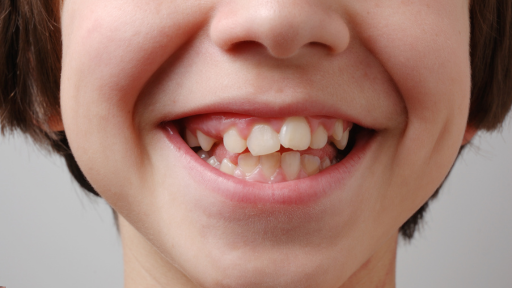
Your smile is one of the first things people notice about you. But have you ever wondered whether the alignment of your teeth can affect more than just your smile? Many young adults assume that crooked teeth are simply a cosmetic concern. In reality, the position of your teeth can influence your bite, jaw movement, facial balance, and even the way your lips appear when you smile.
The good news is that modern dentistry offers several ways to improve both dental alignment and smile aesthetics. From invisible aligners to comprehensive treatments such as smile designing, there are options to help you achieve a healthier and more balanced smile.
How Can Crooked Teeth Affect Your Face Shape?
Your teeth, jaws, lips, and facial muscles work together as one system. When your teeth are significantly misaligned, they may affect how your lips rest, how your jaw closes, and how your facial muscles function.
Crooked teeth can sometimes make one side of the smile appear higher or lower than the other. In some people, severe crowding or an uneven bite can also make the lower face look slightly asymmetrical. However, the effect varies from person to person and depends on the severity of the alignment problem, jaw structure, and overall facial anatomy.
This does not mean that every person with crooked teeth will have a noticeably different face shape. Mild crowding may have little or no visible impact on facial appearance, while more complex alignment or bite problems may create more noticeable changes.
Can Teeth Alignment Change Your Smile?
Absolutely. Tooth position plays an important role in how your smile looks. When teeth overlap, rotate, or sit too far forward or backward, they can affect the shape of your smile and the amount of tooth structure visible when you smile.
For young people who are conscious about photographs, social media, interviews, or meeting new people, improving crooked teeth can make a noticeable difference in smile confidence.
Treatment is not always about creating perfectly straight teeth. A dentist considers your facial proportions, gum health, bite, tooth shape, and overall appearance before recommending the right approach.
For example, smile designing may be considered when someone wants to improve multiple aspects of their smile, such as tooth shape, proportion, colour, and alignment.
Do Crooked Teeth Affect Your Jaw?
In some cases, crooked teeth are associated with an uneven bite. When the upper and lower teeth do not meet properly, the jaw may have to adapt during chewing or closing.
This can sometimes contribute to uneven pressure on certain teeth or increased strain on the muscles around the jaw. People with more complex bite issues may experience discomfort, difficulty chewing, or jaw-related symptoms.
However, facial shape is influenced by much more than tooth alignment. Genetics, jawbone development, age, facial muscles, and overall growth all play important roles. That is why an individual dental assessment is more useful than assuming that straightening teeth will automatically change your entire face.
Can Straightening Crooked Teeth Improve Facial Appearance?
Straightening crooked teeth can improve the appearance of your smile and, in some cases, create subtle improvements in facial balance. When teeth are positioned correctly, the lips may sit more naturally and the smile can appear more symmetrical.
For many young adults, invisible aligners are an appealing option because they are discreet and can gradually move teeth into improved positions. Whether aligners are suitable depends on the type and severity of the dental problem.
Some cases require traditional orthodontic treatment, while more complicated concerns may need a combination of orthodontics and other dental procedures. Your dentist can evaluate your teeth and bite before recommending a treatment plan.
What Happens If You Ignore Crooked Teeth?
If the alignment issue is mild, treatment may not always be urgent. However, untreated crooked teeth can sometimes make daily oral hygiene more difficult because crowded areas are harder to clean properly.
When plaque builds up around difficult-to-reach areas, the risk of cavities and gum disease may increase. Misalignment can also contribute to uneven wear on certain teeth and make some areas more difficult to maintain.
This is why correcting alignment can be about more than aesthetics. A well-planned treatment may help make your teeth easier to clean while improving the appearance and function of your smile.
Are Cosmetic Dental Treatments Enough?
Not every alignment concern requires a cosmetic procedure. The right treatment depends on what is causing the problem. If the main concern is tooth position, orthodontic treatment may be recommended. If the teeth are already reasonably aligned but have issues with colour or shape, cosmetic treatments may be considered.
For example, teeth whitening can brighten naturally healthy teeth, while smile designing may address several aesthetic concerns together. In more complex situations involving missing or severely damaged teeth, treatments such as dental implants or full mouth rehabilitation may be part of a broader treatment plan. The important point is that these treatments should not be selected simply because they are popular. Your dentist should first understand your oral health, bite, facial structure, and long-term dental needs.
When Should Young Adults See a Dentist?
If you notice overlapping teeth, unusual spacing, difficulty cleaning between teeth, an uneven bite, or discomfort while chewing, it is worth getting a professional evaluation. You may also want to schedule a consultation if you feel uncomfortable smiling in photos or regularly hide your teeth when speaking or laughing.
An assessment can determine whether your crooked teeth are primarily a cosmetic concern or whether they are affecting your bite and oral health. At Opal Dental, the focus should be on creating treatment plans that consider both your dental health and your smile goals rather than treating appearance alone.
Can Your Face Change After Orthodontic Treatment?
Your face does not suddenly become completely different after orthodontic treatment. Instead, correcting tooth alignment can create subtle changes in the way your teeth, lips, and smile come together.
The result depends on your age, dental condition, bite, jaw structure, and treatment approach. If the main issue is dental alignment, correcting it may improve facial harmony. If the concern is related to the jaw itself, orthodontic treatment alone may not be enough.
This is why it is important to avoid online claims promising dramatic facial transformations simply from straightening teeth.
Conclusion
So, can crooked teeth affect your face shape? They can influence facial appearance in some people, particularly when the alignment problem is significant or connected with an uneven bite. However, the extent of any change varies from person to person.
Straightening teeth can improve your smile, make oral hygiene easier, and potentially create a more balanced appearance. But the goal should always be healthy teeth, proper function, and a smile that suits your natural facial features.
If you are concerned about crooked teeth, don’t rely only on photos or online comparisons. A dental consultation can help you understand your specific alignment, bite, and treatment options. Want to know which treatment may be right for your smile? Contact us to schedule a consultation and discuss your dental concerns with the team at Opal Dental.
Frequently Asked Questions
Can crooked teeth actually change the shape of your face?
Yes, in some cases. Severe misalignment or bite issues (like an overbite, underbite, or crossbite) can affect jaw position and muscle development over time, which may subtly alter facial symmetry, especially if the issue starts in childhood.
How do crooked teeth affect jawline appearance?
Misaligned teeth can cause the jaw to sit slightly forward, backward, or asymmetrically, which changes how the jawline looks from the front and side profile.
Can an overbite make your face look different?
Yes. A significant overbite can push the upper lip forward and make the chin appear recessed, creating a “weak chin” look or a convex facial profile.
Can an underbite change facial structure?
An underbite can make the lower jaw appear more prominent, giving the face a longer or more angular look, particularly around the chin and jawline.
Does crooked teeth cause facial asymmetry?
It can contribute to it. Uneven bite pressure or one-sided chewing habits (often caused by misalignment) may lead to uneven jaw muscle development over years.
Can braces or Invisalign fix face shape changes caused by crooked teeth?
Braces and aligners primarily fix tooth position, but by correcting the bite, they can also improve jaw alignment and, in turn, subtly improve facial balance and profile.
At what age do crooked teeth start affecting face shape the most?
Childhood and adolescence are the most critical periods, since the jawbone is still growing and developing, untreated misalignment during this time has the biggest long-term impact on facial structure.
Can adults still see facial changes after treating crooked teeth?
Yes, though changes are more subtle in adults since jaw growth has stopped. Adults typically see improvement in lip support, smile alignment, and profile balance rather than major bone structure shifts.
Is jaw surgery ever needed to fix face shape from crooked teeth?
In severe skeletal cases (not just tooth misalignment), orthognathic (jaw) surgery combined with orthodontics may be recommended to correct both bite and facial structure.
Can crooked teeth affect how your smile looks versus your actual face shape?
Yes, this is a key distinction. Crooked teeth almost always affect smile aesthetics (visible tooth alignment), but only affect actual face shape when bite/jaw position is also involved.