BACK
BACK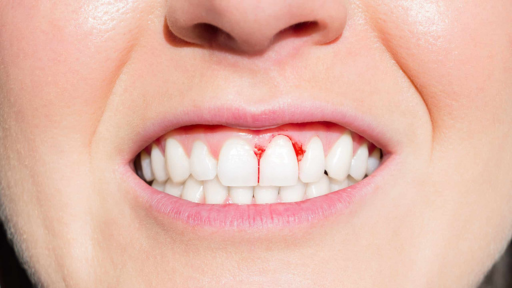
Have you ever noticed a little blood in the sink after brushing your teeth? You may be tempted to ignore it, especially if there is no pain. But bleeding gums are often your mouth’s way of telling you that something needs attention. Occasional bleeding can happen because of brushing too hard, but frequent bleeding may be linked to plaque buildup, irritation, or gum disease.
For young adults, busy schedules, late-night meals, coffee, sugary snacks, and inconsistent brushing habits can all affect gum health. The good news is that most gum problems can be managed effectively when identified early. Understanding why your gums bleed is the first step toward maintaining a healthier, fresher smile.
What Causes Bleeding Gums?
One of the most common causes of bleeding gums is plaque buildup. Plaque is a sticky layer of bacteria that develops naturally on your teeth. If it is not removed properly through regular brushing and flossing, it can irritate the gum tissue.
Over time, the gums may become red, swollen, tender, and more likely to bleed during brushing or flossing. This early stage of gum disease is commonly known as gingivitis. It is important not to ignore these symptoms simply because they are painless.
Another possible reason for bleeding gums is brushing too aggressively. Using excessive pressure or a hard-bristled toothbrush can irritate your gums and cause minor bleeding. Brushing gently with a soft-bristled toothbrush is generally a better approach.
In some cases, lifestyle factors may also contribute. Smoking, poor nutrition, stress, and inconsistent oral hygiene can affect gum health. Certain medications and health conditions can also increase the likelihood of gum bleeding, which is why persistent symptoms deserve professional evaluation.
Is Bleeding While Brushing Normal?
A small amount of blood once in a while may not necessarily indicate a serious problem, particularly if you have recently started flossing or changed your brushing routine. However, recurring bleeding gums should not be considered normal.
If your gums bleed regularly, look swollen or feel sensitive, it is worth paying attention. You may also notice bad breath, a bad taste in your mouth, gum tenderness, or gums that appear to be pulling away from your teeth.
These signs can indicate that plaque and bacteria are affecting the health of your gums. Left untreated, early gum disease can progress and potentially affect the tissues and bone supporting your teeth.
Could Your Brushing Technique Be the Problem?
Your brushing technique matters more than you might think. Many people assume that brushing harder means cleaner teeth, but aggressive brushing can actually irritate your gums.
Use a soft-bristled toothbrush and gentle, controlled movements. Make sure you clean the front, back, and chewing surfaces of your teeth. Do not forget the gumline, where plaque tends to accumulate.
Flossing is equally important because a toothbrush cannot effectively clean every space between your teeth. If you notice bleeding gums when you begin flossing, do not immediately stop. However, if bleeding continues despite consistent and gentle oral care, schedule a dental examination.
When Should You See a Dentist?
If bleeding gums happen frequently, it is better to get them checked rather than waiting for the problem to become uncomfortable. A dentist can examine your gums, identify plaque or tartar buildup, and determine whether there are signs of gum disease or another underlying issue.
Professional cleaning may be recommended when hardened tartar has accumulated around the teeth. Unlike soft plaque, tartar cannot be removed effectively with regular brushing at home.
At Opal Dental, maintaining healthy gums is an important part of protecting your overall smile. Early attention can help prevent minor gum concerns from developing into more complicated dental problems.
Can Gum Problems Affect Your Smile?
Absolutely. Healthy gums provide the foundation for an attractive and confident smile. When gum health is neglected, swelling, recession, bad breath, and changes around the teeth can affect how your smile looks.
If you are considering cosmetic treatments such as smile designing, your dentist will also consider the health of your gums and teeth before recommending aesthetic improvements. A beautiful smile is not only about straight or bright teeth; healthy gums are an important part of the overall picture.
Similarly, people interested in teeth whitening should address active gum problems before undergoing cosmetic treatment. A healthy oral foundation can make your cosmetic dental journey safer and more comfortable.
What Can You Do to Prevent Bleeding Gums?
Good oral hygiene does not need to be complicated. Brush twice a day for around two minutes using a soft-bristled toothbrush and fluoride toothpaste. Clean between your teeth regularly with floss or an appropriate interdental cleaning method.
Try to limit frequent sugary snacks and drinks, especially throughout the day. Staying hydrated can also support a healthier mouth by helping wash away food particles and maintaining saliva flow.
Regular dental check-ups are equally important. A professional can identify early signs of bleeding gums, remove tartar, and guide you on improving your daily oral hygiene routine.
If you wear invisible aligners, maintaining a consistent cleaning routine becomes even more important because food particles and plaque can remain around your teeth if oral hygiene is neglected.
Your Gums Deserve Attention Too
Your smile is something you use every day, whether you are meeting friends, attending college, going to work, taking photos, or simply talking to someone. Healthy gums contribute to both your oral health and your confidence.
Do not wait for pain before taking action. If you notice bleeding gums repeatedly, swelling, sensitivity, or persistent bad breath, speak with a dental professional.
Even patients undergoing more comprehensive treatments such as full mouth rehabilitation need healthy gums and good oral hygiene as part of their overall dental care.
At Opal Dental, the focus is on helping you maintain a healthy and confident smile with care tailored to your individual needs. Whether your concern is gum health, cosmetic dentistry, or restorative treatment, getting the right advice early can make a meaningful difference.
Not sure why your gums are bleeding? Contact us today to schedule a dental consultation and take the first step toward healthier gums and a confident smile.
Frequently Asked Questions
Why do my gums bleed when I brush my teeth?
Gum bleeding while brushing usually means your gums are inflamed, most often from plaque buildup along the gumline (gingivitis). Other causes include brushing too hard, a new flossing routine, or a stiff-bristled toothbrush.
Is it normal for gums to bleed occasionally?
Occasional bleeding, like after starting a new flossing habit, can be normal for a few days. But if it happens every time you brush, it’s a sign of gum inflammation that needs attention.
Can brushing too hard cause bleeding gums?
Yes. Aggressive brushing or using a hard-bristled brush can irritate and wear down gum tissue, causing bleeding even without underlying gum disease.
What deficiency causes bleeding gums?
Low vitamin C or vitamin K levels are commonly linked to bleeding gums, since both nutrients support gum tissue health and blood clotting.
Are bleeding gums a sign of gum disease?
Yes, often. Bleeding is one of the earliest signs of gingivitis, the mild and reversible stage of gum disease. Left untreated, it can progress to periodontitis.
How long does it take for bleeding gums to heal?
With consistent gentle brushing, flossing, and plaque removal, mild gum bleeding typically improves within 7–14 days. Persistent bleeding beyond 2 weeks needs a dentist visit.
Should I stop brushing if my gums bleed?
No, stopping allows plaque to build up further. Instead, switch to a soft-bristled brush, use gentler technique, and keep brushing and flossing consistently.
Can stress cause bleeding gums?
Indirectly, yes. Stress can weaken immune response and increase inflammation, making gums more prone to bleeding, especially if oral hygiene slips during stressful periods.
Do bleeding gums mean I have a serious health problem?
Usually it’s local (plaque-related), but frequent bleeding gums are also associated with diabetes, blood disorders, and certain medications (like blood thinners), so it’s worth mentioning to a doctor if it persists.
When should I see a dentist for bleeding gums?
See a dentist if bleeding persists more than 1–2 weeks, is accompanied by swelling, bad breath, loose teeth, or receding gums, these signal advancing gum disease.